We teach a fluid yet demanding style of yoga developed by the school of Sri Dharma Mittra, rooted in this master’s traditional practice and his more than fifty years of experience, which he continues to share at his centre in New York.
At the heart of this practice are the Yamas and Niyamas, particularly Ahimsa — compassion towards all beings, expressed by avoiding physical, verbal and mental harm. This principle underpins everything else we do on the mat, and carries a deeply devotional meaning: devotion to that which is supreme within ourselves.
The practice is approached as a meditative and spiritual offering, especially through asana, with a focus on good health, a clear mind and a kind heart. Students move through four linked sequences with a high degree of freedom, allowing each class to take shape around the collective energy in the room.
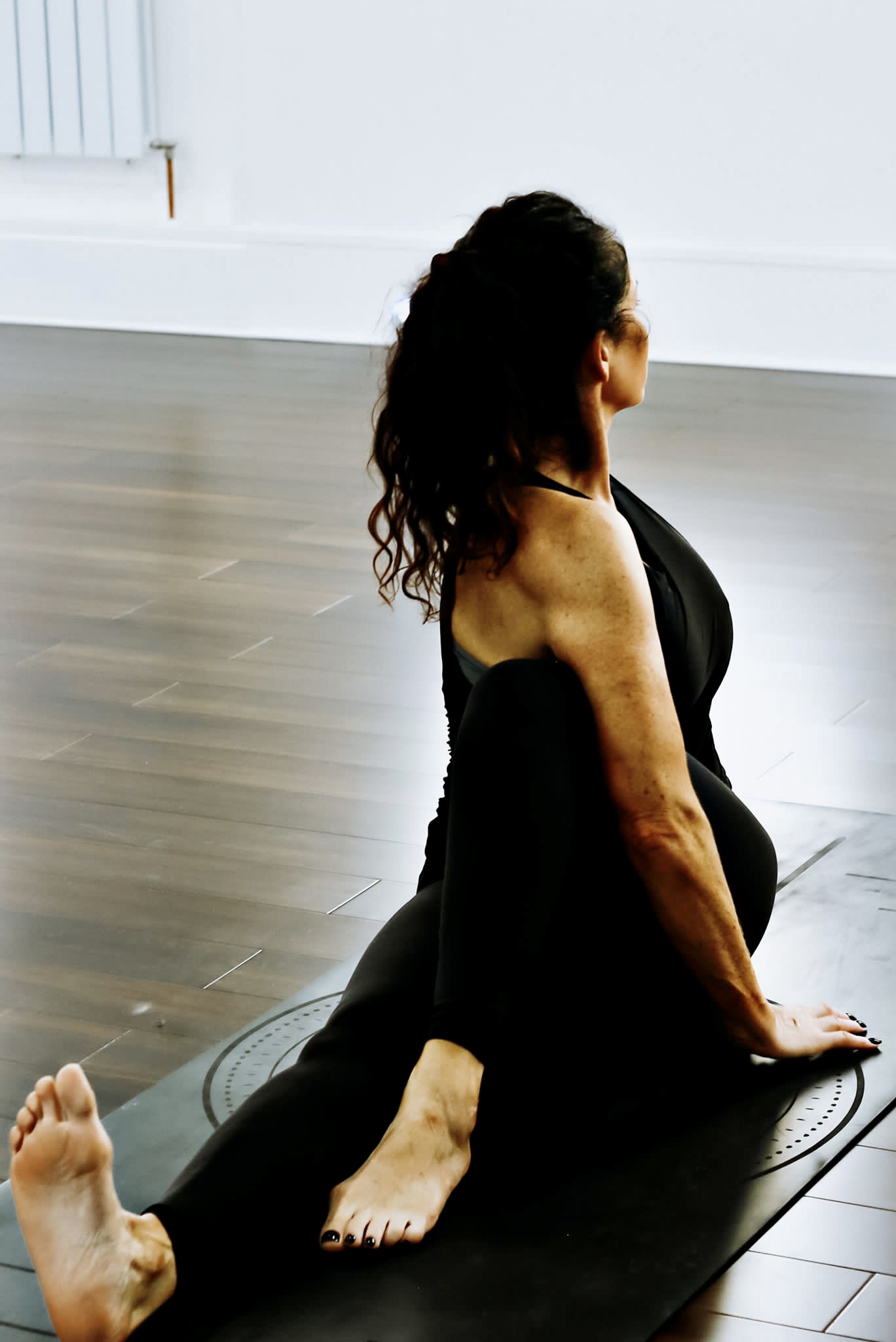
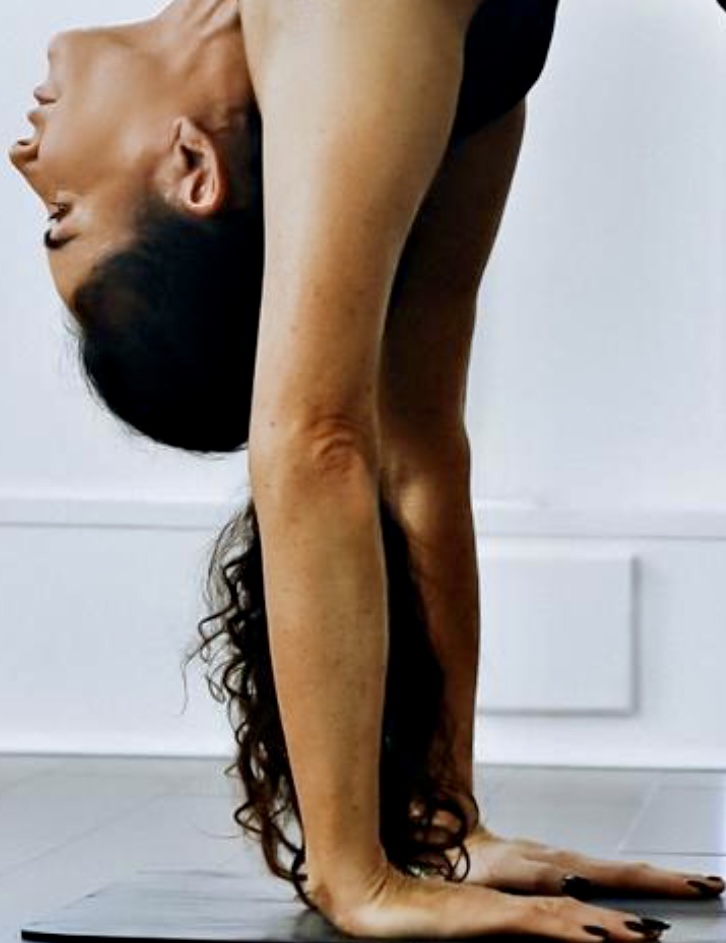
We regularly return to the six mother postures of Hatha Yoga — Padmasana, Paschimottanasana, Bhujangasana, Sirsasana, Sarvangasana and Ardha Matsyendrasana — the foundations on which a balanced practice is built, and which appear in different variations throughout every class. Classes sometimes open with the Shiva Namaskara sequence, with inversions placed midway through the practice and backbends and chest-opening postures featuring prominently.
Beyond the physical benefits, this practice helps to steady the mind and sharpen concentration. Moving through the postures becomes a kind of prayer in motion, an offering towards the absolute, which is part of why this style is considered one of the most devotional forms of yoga. Heart-opening asanas also help release emotions and feelings held within the body.
This is a modern interpretation of classical Eight-Limbed, or Hatha-Raja, Yoga, grounded in ethical principles and blending flowing Vinyasa, inversions and held poses to cultivate concentration, meditation, contentment and deep, healing relaxation. The asana practice tones and invigorates body and mind, building flexibility, strength, balance and focus, while pranayama and meditative techniques work to steady the heartbeat, calm the nervous system and quiet the mind. Guided Yoga Nidra relaxation relieves stress, slows the thoughts and recharges the body.
It is a complete practice, leading towards radiant health, a peaceful life and, in time, self-realisation — traditional in its roots, yet entirely suited to today’s fast-paced world.